Charming restaurants in Galicia to enjoy traditional cuisine
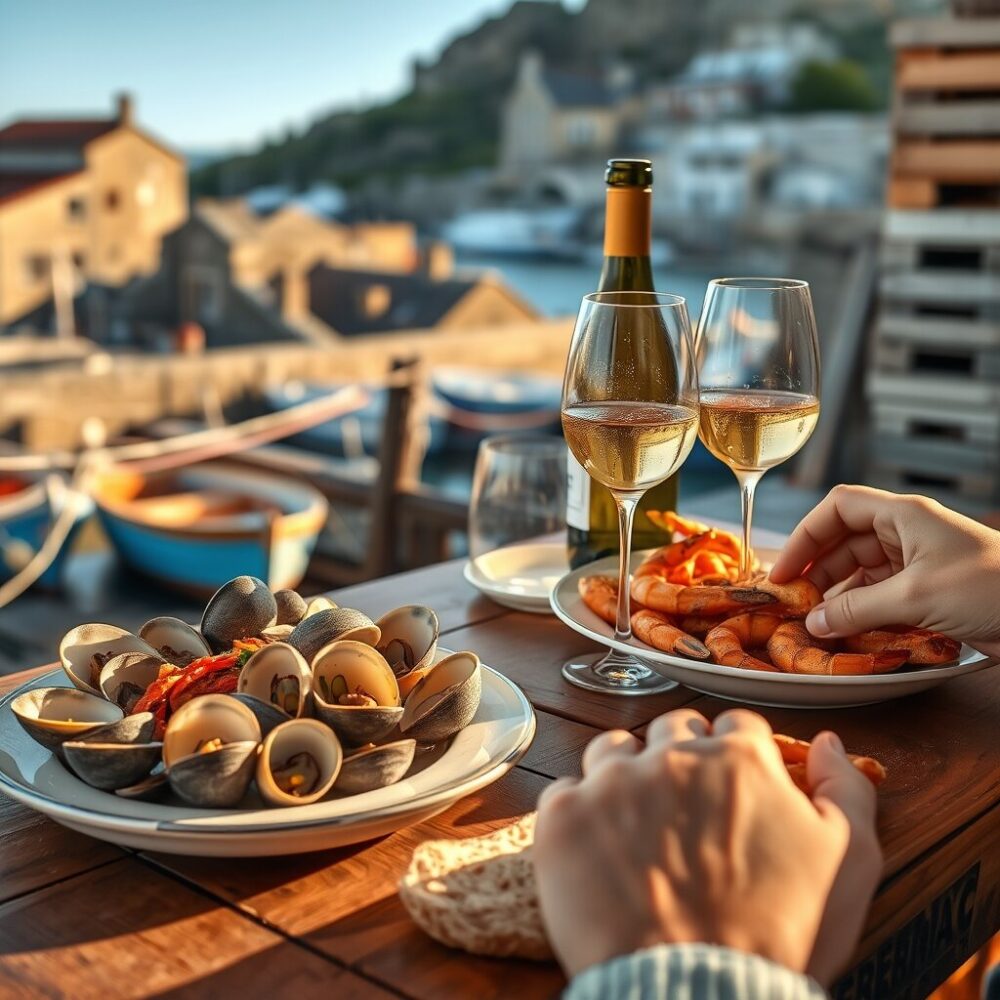
Galicia tastes of the sea, of octopus and of toasted bread in a ría at dawn. Choosing a good restaurant doesn’t depend only on the price: the product, the rhythm of the kitchen and the place where you eat all matter. If you’re looking for an authentic experience —seafaring or rural— it’s worth looking beyond the menu and paying attention to where the shellfish comes from, the service and how the menu fits its surroundings. A good Galician meal connects with the season, with technique (simple but careful) and with the landscape around it.
How to spot a charming restaurant in Galicia
First, look at the **product**: as soon as you walk in, the kitchen should smell of sea or fire —not of air freshener. Second, the **atmosphere**: from a seafaring tavern with wooden beams to a country house with a checked tablecloth, the setting says a lot about the approach. Third, the **clientele**: if villagers or fishermen are eating there, that’s a sign of authenticity. And finally, **transparency**: they should be able to tell you where the shellfish comes from and how it’s prepared.
Highlighted recommendations
Casa Solla (Poio, Pontevedra)
Near the Pontevedra estuary, **Casa Solla** blends tradition and contemporary technique without losing its Galician character. The atmosphere is elegant yet relaxed; the menu looks out to the sea and the vegetable garden in balance. Price: rather high, in line with the care taken over the product. What to order? Dishes that reinterpret classic ingredients: shellfish treated with respect and sauces that bring out texture and aroma. Strong points: coherence of the proposal and attentive service. Worth knowing: expect carefully developed flavours rather than large portions.
A Tafona (Santiago de Compostela)
In the heart of Santiago’s old town, **A Tafona** revives Galician recipes in an intimate setting. It’s a place for those seeking reinterpreted tradition, where octopus and fresh fish sit alongside time-honoured stews. Atmosphere: warm, wooden and close-knit conversation. Price range: mid-to-high. What defines its proposal is the honesty of the produce and the sharing plates; bring an appetite and be ready to try several dishes.
Harbour seafood restaurant (O Grove, Pontevedra)
O Grove is synonymous with shellfish: look for a **harbour seafood restaurant** overlooking the bateas (mussel rafts). There, the shellfish reaches the table almost alive; the textures are firm and the brininess still present. Price: variable, depending on the catch and the market. What to order: spider crab in season, razor clams cooked to perfection and a generous portion of clams; **a chilled albariño** is the essential companion. Strong points: freshness and simplicity. Worth knowing: in high season it’s wise to book or arrive early.
Traditional octopus house (Melide, A Coruña)
Melide is the home of pulpo a la gallega. A **traditional octopus house** serves octopus cut with a knife, with olive oil, coarse salt and paprika that highlights its tender texture. Atmosphere: rustic, lively and family-run. Price: affordable. What defines the experience is the repetition of a simple yet perfect gesture: boil, slice and salt. Ideal for sharing with village bread and house wine served in a jug.
Seafaring tavern (Cangas, Pontevedra) and coastal restaurant (Fisterra, A Coruña)
In Cangas you’ll find taverns where artisanal tinned seafood and goose barnacles share the bar with wine by the glass; in Fisterra, coastal restaurants look out over the Atlantic and serve fish slowly grilled over wood. Both kinds of places shine for their direct connection to the coastline and for menus that change with the day’s catch. Prices: from affordable to moderate, depending on the speciality and location.
What to order and how to enjoy it
To make the most of the experience: start with sharing plates —**oysters, razor clams, scallops**— and continue with a main course (octopus, seafood broth rice or fish from the fish market). Bread here is not an afterthought: it soaks up the sauces, so choose one with a good crumb. As for wine, **Albariño from Rías Baixas** almost always works; if you prefer something lighter, look for a young local white. Take your time: the texture of the shellfish and the nuances of the oil and paprika deserve it.
Frequently asked questions
How can you tell if the shellfish is truly fresh?
Look at the presentation: shellfish with a natural sheen and a smell of the sea, not of ammonia. In many ports you’ll see counters with water or tanks; that’s a good sign if the bivalves are in good condition. Ask about the origin and the catch date; a reputable restaurant will tell you straight away.
Is booking essential in high season?
Yes, especially in coastal towns and on summer weekends. Many places are fully booked from early on; calling ahead avoids long waits and guarantees better tables. If you’re looking for a table in a small rural restaurant, book several days in advance.
How do you recognise an authentic octopus house?
An authentic octopus house cooks the octopus with the same timeless respect: the flesh should be juicy, with a texture that yields without falling apart. Knife-cut slices and good-quality paprika are clear signs. Moreover, the place is usually simple, with local customers and a fast rhythm at the bar.
What to avoid when ordering seafood in Galicia
Avoid overly elaborate dishes with sauces that mask the product. Shellfish deserves the spotlight: light seasoning, good cooking and the right temperature. If something smells too much of industrial cooking, it’s a sign it isn’t the best choice.
Common mistakes
- Not asking about the season: ordering spider crab out of season can result in soft texture and poor flavour.
- Choosing only on price: cheap often means frozen product or poor traceability.
- Expecting huge portions at chef-driven restaurants: careful cooking seeks balance rather than quantity.
- Always ordering the same thing: in Galicia it’s worth trying less-publicised local products according to the season.
- Forgetting to book in ports and tourist villages: many restaurants fill their menu within a few hours.
The best guide to finding a charming restaurant in Galicia is to combine listening (what people in the village tell you), observation (local customers, product freshness) and a taste for simplicity. Eating well here is not a flashy act of consumption: it is a conversation with the land, with flavours marked by salt and charcoal. Taste and try; choose coherence over artifice, and you’ll return with images of rías, crusty bread and the memory of the sea on your palate.
Tasty Things #albariño #cocina tradicional #Galicia #gastronomia #marisco #marisquerías #pulpo #restaurantes #turismo gastronomico


 Lumara: the essence of Extremadura finds its home in Chamberí
 How to Make an Authentic Valencian Paella Step by Step (for 4 people, at home and in Valencia)
 Zhen and Chinese New Year: A Menu That Turns Madrid into Shanghai
Comentarios cerrados