Wheatgrass Tea: Green Juice for Detox
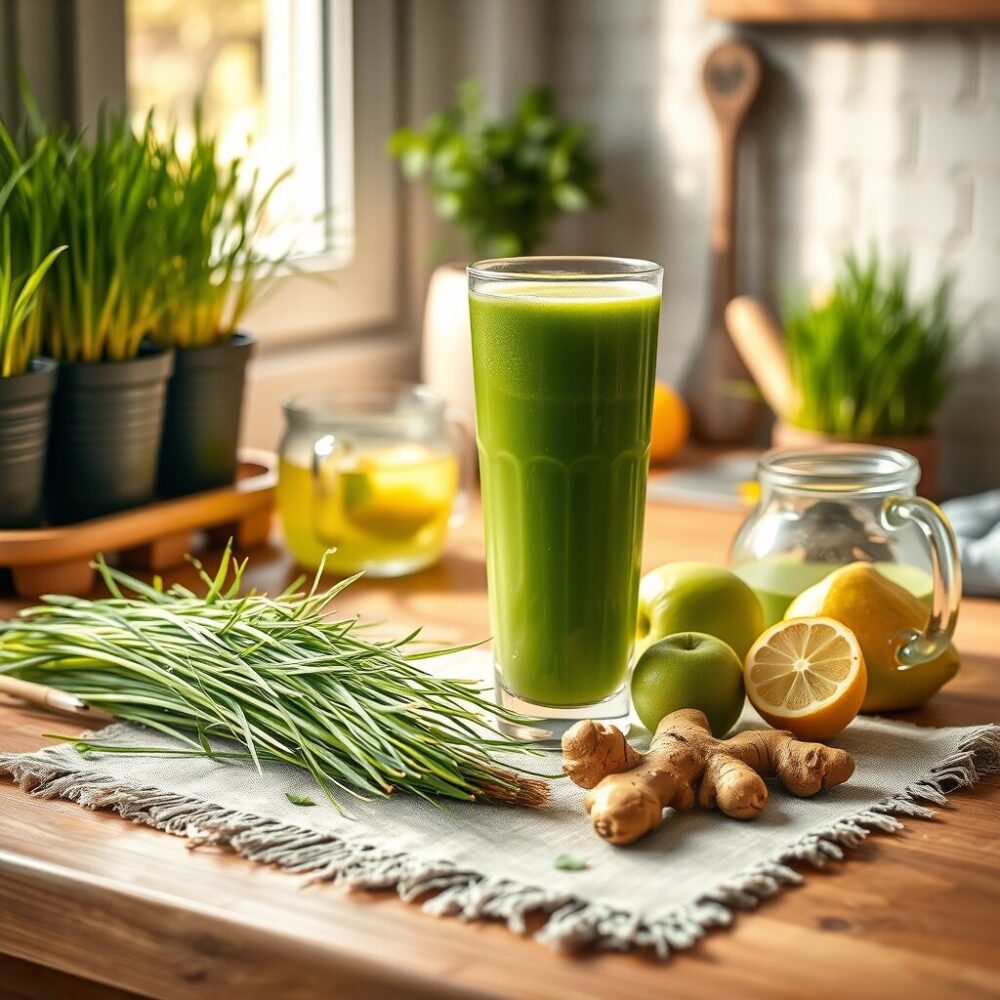
Wheatgrass has gone from being an occasional ingredient to a regular feature in blenders and tall glasses for those who want to cleanse the body without complications. Its flavor is reminiscent of fresh grass, with a slightly bitter aftertaste and a texture that adds body to smoothies. A healthy drink starts with fresh ingredients. Choosing a juice doesn’t depend only on color: how the plant is grown, when it is harvested, and how it is processed all matter. If you are looking for a plant-based ally to accompany periods of recovery, or simply want to add more chlorophyll to your diet, wheatgrass tea or juice deserves an informed try.
What wheatgrass is and how it is grown
Wheatgrass is the young sprout of the wheat plant (Triticum aestivum), harvested when it measures just 10 to 20 centimeters. It is not the same as the mature cereal: it is gathered before the ears appear and is consumed for its high chlorophyll and micronutrient content. It can be grown at home in trays with light substrate or in urban gardens; it needs indirect light, regular watering, and between 7 and 12 days from sowing to harvest to obtain a tender, juicy green.
The home technique influences the result: dirty soil or excessive watering produce dull flavors and a risk of mold. For juicing, it is preferable to harvest in the morning, when the plant best concentrates its aromas and sugars.
Benefits: antioxidants and detox effects
The reputation of wheatgrass as a superfood rests on its nutritional profile: chlorophyll, vitamins (A, C, some B-group vitamins), minerals (iron, calcium, magnesium), and a range of antioxidants. These compounds help neutralize free radicals and may provide support during cellular repair processes.
When talking about detoxification, it is worth clarifying: there is no magical “cleanse” that removes toxins as if by magic. However, a concentrated wheatgrass juice can promote hydration, provide soluble fiber when mixed with pulp, and stimulate liver processes through the combined action of micronutrients. It is useful as part of a balanced diet, not as a substitute for meals or medical treatments.
Why it is considered a superfood
The term refers less to a scientific seal and more to relative nutritional density: few calories, a high concentration of bioactive compounds, and easy integration into recipes. Its real advantage lies in its versatility: it concentrates chlorophyll and antioxidants in small volumes, which is why it appears in green juices and supplements. For someone who wants to increase their vegetable intake without multiplying dishes, wheatgrass is practical and efficient.
Nevertheless, the superfood label does not cancel out possible contraindications: people with wheat allergy or gluten sensitivity (although young grass contains minimal amounts of gluten, traces may be present) should proceed with caution.
Ways to consume it: tea, juices, and green smoothies
Wheatgrass can be consumed fresh, as a powder, or in juices. Wheatgrass tea is obtained by a gentle infusion of fresh leaves in hot water (not boiling) and has a light texture and a herbaceous aroma reminiscent of rain over the field. Juices and smoothies make better use of the fiber and combine chlorophyll with citrus, cucumber, apple, or ginger to balance the bitterness.
Practical recipe: Wheatgrass tea
Brief description: a light infusion, suitable for those seeking a first vegetable sip in the morning or a warm drink after meals.
Origin and context: a home version of traditional herbal preparations, used by practitioners of green diets.
Difficulty level: very low.
Ingredients (1 cup):
- 1 small bunch of fresh wheatgrass (about 10–15 g)
- 250 ml of filtered water, heated to about 80 °C
- Optional: a slice of lemon or a pinch of honey
Step by step:
- Gently rinse the wheatgrass to remove any soil residue.
- Place the leaves in a teapot and pour in the hot water; avoid a strong boil so as not to destroy the fragrances.
- Let it steep for 3–5 minutes; strain and taste. Add lemon or honey if you need to soften the bitterness.
Tips: don’t overdo the steeping time, as it intensifies the bitterness. If you want more body, add a spinach leaf or a piece of cucumber to the cold infusion.
Practical recipe: Detox green juice with wheatgrass
Brief description: a cold, fibrous, and vibrant juice, intended as a light accompaniment or as part of a vegetable breakfast.
Difficulty level: low to medium (requires a juicer or a powerful blender).
Ingredients (1 serving):
- 30 g of fresh wheatgrass
- 1 green apple
- 1/2 cucumber
- 1/2 lemon (juice)
- A small piece of ginger (1–2 g)
- Cold water or coconut water to taste
Step by step:
- Wash all the ingredients thoroughly and cut them into pieces.
- Pass them through the juicer, or blend with water and strain if you prefer less pulp.
- Adjust the acidity with lemon and serve cold. Taste the fresh grass and add ice if you like.
Practical tips: mix with fruit to break up the bitterness, and add a teaspoon of olive oil if you drink it with food to improve the absorption of fat-soluble vitamins.
Common mistakes
- Drinking large quantities expecting immediate “detoxification”: more is not always better; excess can cause gastrointestinal discomfort.
- Using boiling water for the infusion: it destroys volatile compounds and makes the drink more bitter.
- Buying powder of dubious origin: quality varies widely; fresh grass or certified products are preferable.
- Not considering allergies or interactions: those taking anticoagulants or with wheat sensitivity should consult their doctor.
- Believing it replaces whole vegetables: juice complements, but does not replace chewing and the fiber of a full serving of vegetables.
Frequently asked questions
Is wheatgrass tea the same as green juice?
Tea is a lighter and less concentrated infusion; juice extracts a larger amount of compounds and, if it includes pulp, provides fiber. The nutritional effect varies: juice is usually denser in micronutrients per serving.
How often can it be taken?
For most people, one daily serving (a cup of tea or a small glass of juice) is safe and sufficient. Prolonged periods of intensive consumption should be reviewed with a healthcare professional.
Are there contraindications for pregnant women or people with chronic illnesses?
It is not an official remedy; pregnant or breastfeeding women, or those taking chronic medication, should consult first. Some concentrated preparations may interfere with medical treatments.
Does wheatgrass contain gluten?
Young grass contains practically no gluten, but traces may be present if cultivation or processing is not careful. If there is sensitivity or celiac disease, choose certified gluten-free products.
Is fresh better than powder?
Fresh provides more vivid aroma and chlorophyll; powder is practical and stable, but its quality depends on the source and drying process. Always prioritize transparent suppliers.
Wheatgrass is a simple tool for adding green to your diet: it does not promise miracles, but it does add nuances of flavor, texture, and nutrients when used wisely. Try small servings, combine with fruits and vegetables for balance, and observe how your body responds before increasing frequency. Knowing its origin and respecting reasonable measures, tea or juice can become a healthy and enjoyable habit within a varied diet.
Healthy Eating #antioxidantes #batidos verdes #desintoxicación #hierba de trigo #jugo verde #nutrición vegetal #recetas saludables #superalimentos #te de hierba de trigo


 Lumara: the essence of Extremadura finds its home in Chamberí
 How to Make an Authentic Valencian Paella Step by Step (for 4 people, at home and in Valencia)
 Zhen and Chinese New Year: A Menu That Turns Madrid into Shanghai
Comentarios cerrados