Ambivium in Peñafiel: dining among the Ribera vineyards with 3,500 wine references
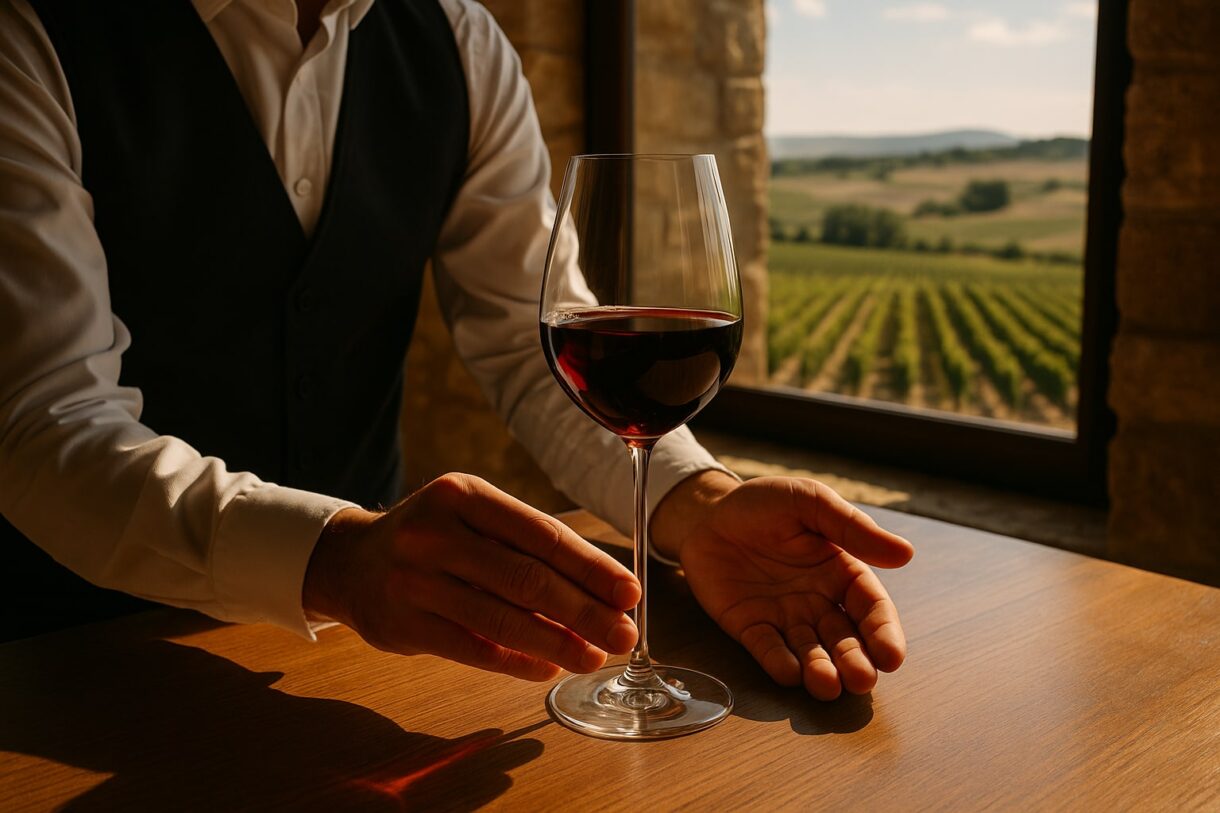
We left Peñafiel with the feeling of having eaten somewhere unusual, in the best sense. Ambivium is not a passing-through kind of restaurant: it sits inside the Pago de Carraovejas complex, looking out over the vines, and everything—the kitchen, the dining room, the cellar—revolves around wine. We went on a Saturday at midday, with a reservation made three weeks in advance, four diners, an appetite for a long menu and zero rush. We came out almost five hours later.
If you’re interested in serious wine tourism in the Ribera del Duero, or you’re looking for Michelin-starred restaurants that won’t force you to sleep in Madrid, this is the stop. I’ll tell you what you eat, what you drink, what it costs and when it makes sense to go.
Where Ambivium is and why the location matters
Ambivium is in Peñafiel, Valladolid, inside the Hotel Convento Las Claras and a short walk from the castle. The dining room is part of the main building of Pago de Carraovejas, in the setting of the Pago de Carraovejas, on the edge of town. In other words: you park, you walk in, and you’re already among the vines. There’s no car choreography or hunting for a space in the old town.
The location is not incidental. The dining room has windows onto the vineyard, and the thread of the menu rests on what is grown there and in the surroundings: local lamb, vegetables from nearby gardens, the Duero and Duratón rivers, seasonal game. Eating here without looking out the window is throwing away half the experience.
The place: the room, the atmosphere and that odd silence
The décor is restrained, with light woods, exposed stone and plenty of natural light. No baroque excess. The tables are well spaced—something you appreciate when you pay what you pay—and the noise level is very low: you can talk in a normal tone without hearing the conversation at the next table. It is wheelchair accessible from the car park all the way to the table, which is also worth mentioning.
Capacity is limited (fewer than 40 seats) and it only opens for a very small number of sittings: usually lunch from Wednesday to Sunday and dinner on Friday and Saturday. Without a reservation you don’t get in. Full stop.
The menu: tasting menu and only tasting menu
At Ambivium there is no à la carte. Only a tasting menu in two formats, which rotate with the season. When we went there was a short menu of around 12 courses and a long one of 16–17. We went for the long one, because that’s what we’d come for.
The philosophy of chef Cristóbal Muñoz is what they call “territorial cuisine with research”: short-distance produce, modern technique without pyrotechnics, and constant nods to the world of wine. You can tell the kitchen doesn’t work with its back to the cellar: there are dishes designed quite literally to pair with a specific red from the house.
Snacks and starters: the opening sets the tone
We started with a run of cold and hot bites served at a brisk pace. Two stood out: a fritter of cured sheep’s cheese with sour apple gel, and a smoked eel tartlet with butter made from its bones. The eel was worked with crisp skin and juicy flesh, without the sticky sweetness that sometimes spoils it. Then came a clarified broth of roasted onion served in a cup, very much in the line of long-simmered consommés: 24 hours of cooking, you can taste it.
Mains: lamb, squab and a sea bass worth remembering
Of the main courses, three stay with me. One, a wild sea bass from the Cantabrian Sea with reduced jus from its bones and pickled chard leaf. The fish, cooked at 52 °C, was pearly, and the jus was pure umami without tipping into saltiness. Two, a Bresse squab cooked over embers and aged 15 days, with its interior in a warm escabeche. Three, the Ribera suckling lamb in two services: first the boned and lacquered shoulder, then a broth made from its bones with dryland herbs.
The only dish that never quite caught fire for me was an intermediate course of Duratón trout with chamomile: correct, but next to the eel and the sea bass, flat.
Desserts: the pastry chef takes the Ribera seriously
The pre-desserts and desserts are created by a separate team, and it shows. Very good was a fig leaf ice cream with muscatel syrup, and a finale built on fermented Tempranillo grape, grape-skin sorbet and spirit-marc sponge. Very much in keeping with the place: nobody drops a random coulant out of context on you.
The cellar: 3,500 references and a sommelier who knows his stuff
Here Ambivium plays in another league. The wine list has around 3,500 references and is considered one of the most complete restaurant cellars in Spain. It is not just Ribera del Duero: there are serious verticals of Burgundy, Alsace, the Mosel, old sherries, village wines from the area and rarities from small producers in Castilla y León.
The sommelier, Ricard Tobella, has been awarded several times as best national sommelier, and it shows in two things: he listens before recommending, and he doesn’t push you toward the expensive end of the list. We asked for a short pairing (seven glasses) and he poured four reds, two whites and a fortified wine, all cheaper than we feared. An aged Godello from El Bierzo with the sea bass was the best match of the day.
If you enjoy wine, ask for the cellar pairing (the more exclusive references) or ask about vertical tastings of Pago de Carraovejas before or after lunch, which can be combined with a cellar visit.
The service: unhurried, informed, nothing stiff
Twelve staff in the room for four occupied tables. The service moves calmly, explains without giving a lecture, and strikes just the right note of closeness. When I asked about the technique behind the squab, the maître d’ went to the kitchen, came back with Cristóbal Muñoz’s second-in-command, and he told me himself. That detail counts for a lot.
The gaps between courses are measured: neither rushed nor endless. Over five hours, I never felt the table had been forgotten.
Price and value for money
Let’s get to the numbers. The short menu comes to around €185 per person, the long one around €230 per person, without drinks. The short pairing adds about €95, and the long or cellar pairing can go up to €160–220 depending on the selection. Our final bill, with the long menu, short pairing, water and coffees, came to about €340 per person.
Is it expensive? Yes. Is it justified? For what’s on the plate and in the glass, yes, with caveats: the short menu offers practically the same cooking as the long one with fewer redundancies, so if it’s your first time, don’t feel obliged to go for the 16-course one. If I compare it with other Michelin-starred restaurants where the produce and the setting take the lead, Ambivium plays in the same division.
Wine tourism: how to plan the getaway
The logical choice is to stay at the Hotel Convento Las Claras itself, in the centre of Peñafiel, and combine lunch at Ambivium with a visit to the Pago de Carraovejas cellar (booked separately, on their official website). If you have more days, it makes perfect sense to cross into the Tierra de Campos and eat also at Lera, in Castroverde de Campos, to see the other face of Castilla: game, wood-fired oven and dovecote.
Booking Ambivium: on its official website, restauranteambivium.com. Two or three weeks ahead in the low season; with more lead time from May to October.
Verdict
2 hams. Recommended, I’d go back with plans. It’s a restaurant for those who enjoy the wine as much as the food, for celebrating something specific (an anniversary, closing a project, a long getaway with foodie friends) and for anyone who isn’t in a hurry. I wouldn’t take a brother-in-law who “eats everything but fast” there, nor someone who is going to a Michelin star just for the photo: here you have to sit down, listen to Tobella, look at the vines and let the hours pass.
It’s missing that last click—a couple of more rounded dishes and fewer technical flourishes in the intermediate courses—to earn the third ham. But as a reference for the Ribera del Duero and as one of the best wine lists you can find in Spain today, it’s beyond dispute.
We were in... Valladolid #cordero #enoturismo #estrella-Michelín #restaurante #vino

 Lumara: the essence of Extremadura finds its home in Chamberí
 How to Make an Authentic Valencian Paella Step by Step (for 4 people, at home and in Valencia)
 Zhen and Chinese New Year: A Menu That Turns Madrid into Shanghai
Comentarios cerrados