The influence of the sea on the cuisine of 3 Michelin-starred restaurants in Spain
Discover how the richness of the Spanish sea transforms haute cuisine in 3 Michelin-starred restaurants, elevating each dish into a unique experience.
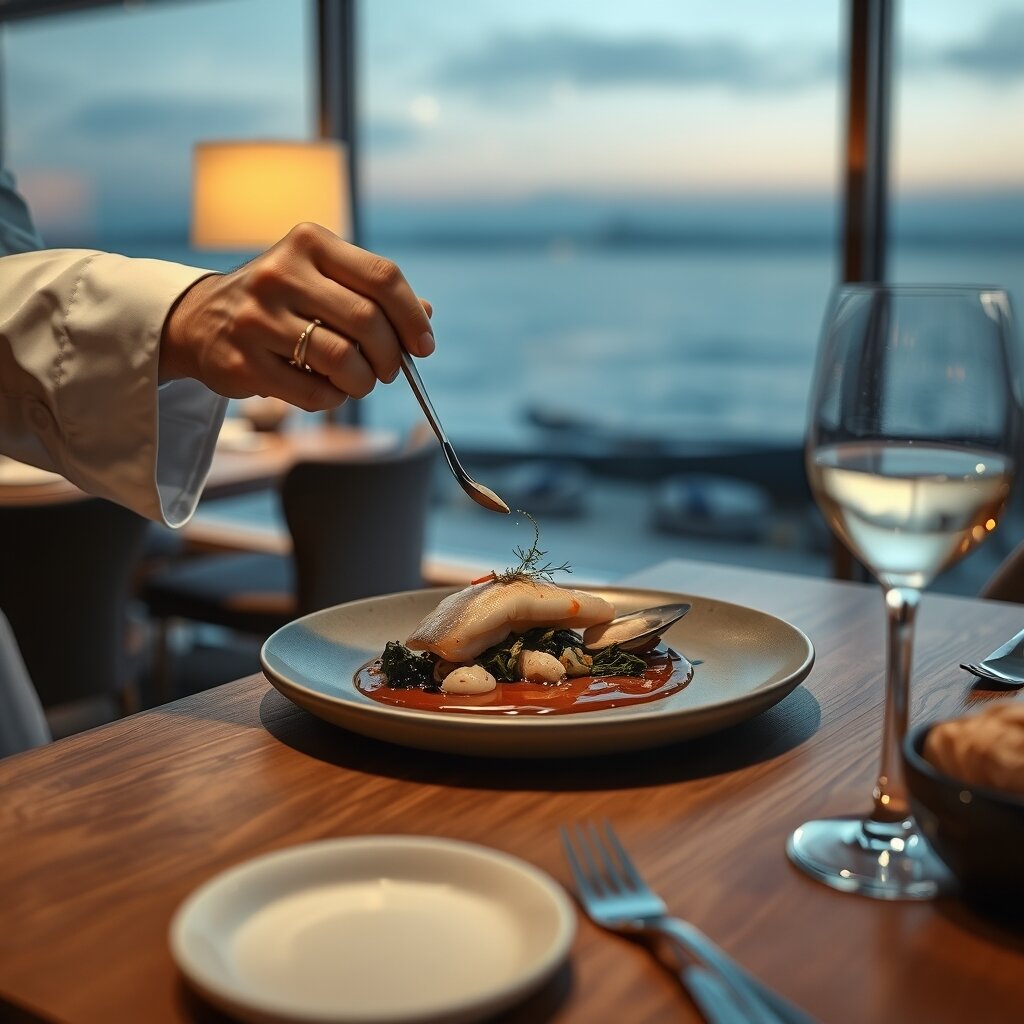
The Spanish coastline shapes the flavours, techniques and decisions in restaurants with 3 Michelin stars. It is not just about serving good fish: it is a conversation between coast, market and table that defines complex culinary proposals. Choosing well which marine product enters the kitchen can elevate a bite—or ruin it—through freshness, texture and traceability. Marine products —from a goose barnacle to a seaweed— act as a common thread, and how they are handled reveals the chef’s honesty and ambition. A good dinner at this level depends not only on the menu, but on how much respect and judgement is put into every ingredient.
Why the sea rules Spanish haute cuisine
Geography helps: extensive coastlines, diverse fishing grounds and fish markets with small lots. In restaurants at the highest level, the relationship with the sea is both practical and aesthetic. There is a clear commitment to local produce, seasonal ingredients and traceability; all of this gives coherence to a cuisine seeking identity. The aroma of embers or the subtle gelification of a broth can say more than any technical description.
What kind of cuisine and atmosphere these restaurants offer
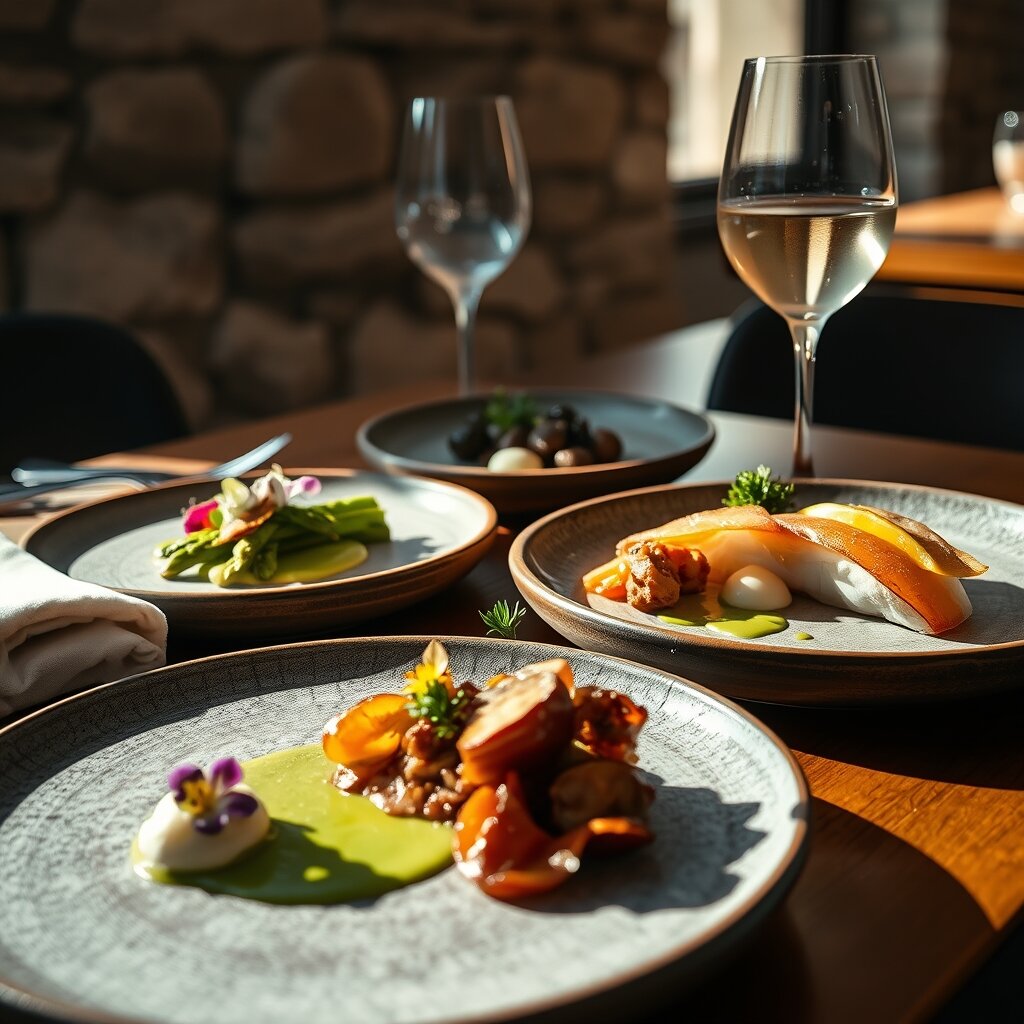
The cuisine is usually contemporary, signature-driven and very tied to the product. It is not traditional seafaring cooking, but a reinterpretation: modern techniques applied to stocks, preserves, shellfish and seaweed. The atmosphere combines sobriety and calm: spaced-out tables, measured service and an environment that prioritises the sensory experience. The diner profile is curious and demanding; they seek surprise but also honesty. The tasting menu is the norm, serving as a narrative of the sea in several acts.
Indicative price range and what to order
At this level, the bill usually sits in the high end of the gastronomic scale: tasting menus that reflect the cost of raw materials, preparation and service. Ordering à la carte is less common; the usual recommendation is to let yourself be guided by the tasting. If you must choose, look for dishes that showcase emblematic marine products: a whole fish treated with respect, a shellfish cleaned of bitterness, a long-cooked broth that adds texture and complexity. Avoid dishes with too many layers that mask the main product.
Real strengths
First, the quality of sourcing: many of these restaurants work directly with fishermen and fish auctions, which guarantees freshness and uniqueness. Second, technique: from gentle curing and smoking to the calculated use of fats and acids to achieve balance. Third, menu coherence: each dish tends to dialogue with the previous one to build a vision of the open sea. On the palate one appreciates texture—gel pearls, firm meats, silky broths—and on the nose, saline and herbal memories.
Areas for improvement or things to consider
Sometimes technical ambition can overshadow the clarity of the product: too many textures or spherifications can dilute its identity. Sustainability is another issue: not all menus reflect responsible fishing practices, and an informed diner should ask. Finally, accessibility: prices and formality make this experience available to few; this limits the diversity of perspectives at the table.
How marine products are handled in three-star kitchens
Handling begins at the auction and continues with salting, curing and controlled fermentation. Heat treatment is precise: short cooking to preserve juiciness, embers to accentuate notes, and searing to add texture. Seaweed and preserves are used as mineral accents; stocks are reduced patiently to provide structure without masking. The result is a palette where saltiness is dosed and the umami of the sea blends with land elements.
Frequently asked questions
Why do 3 Michelin-starred restaurants use so much marine produce?
Because the sea offers a diversity of textures and flavours that allow complex and distinctive menus to be built. In addition, marine produce usually has a clear seasonality that forces teams to innovate. In sensory terms, it provides natural saltiness and umami that act as the backbone of the menu.
How does traceability influence the quality of the dish?
Traceability guarantees that the product arrives at its optimal moment and that its origin is known, which influences freshness, sustainability and flavour. It also allows the chef to justify decisions on the menu and explain to the diner why a particular piece is valuable. In high-level cooking, the story of the ingredient adds as much as its technique.
What are the technical differences between cooking fish and shellfish?
Fish usually requires cooking that preserves flakiness and juiciness; shellfish, on the other hand, demands precise temperatures to avoid rubbery textures and loss of flavour. Timings differ, and so do cutting and serving techniques: shellfish may need more laborious cleaning and presentation to express its best version.
Common mistakes
- Ignoring seasonality: requesting out-of-season produce forces artificial adjustments in the kitchen.
- Hiding the product under too many sauces or elements: marine haute cuisine wins when the ingredient shines.
- Overlooking sustainable fishing practices: using overexploited species undermines any gastronomic argument.
- Over-processing: excessive techniques can destroy the natural texture of fish or shellfish.
- Cold or uncoordinated service: a flawless dish loses its value if it reaches the table cold.
The influence of the sea in these restaurants is not mere aesthetics; it is a table policy that involves ethical and gustatory decisions. Understanding how marine produce is worked helps the diner choose better where to book, appreciate techniques and recognise when what reaches the table reflects honesty or artifice. In the end, a good marine experience at the highest level reminds us that the most memorable flavour is usually the one that respects the simplicity of the ingredient and the intelligence of the cook.