The seasonal menu at the restaurants with 3 Michelin stars in Spain
Discover how seasonality transforms haute cuisine at the restaurants with 3 Michelin stars in Spain and enhances your gastronomic experience.
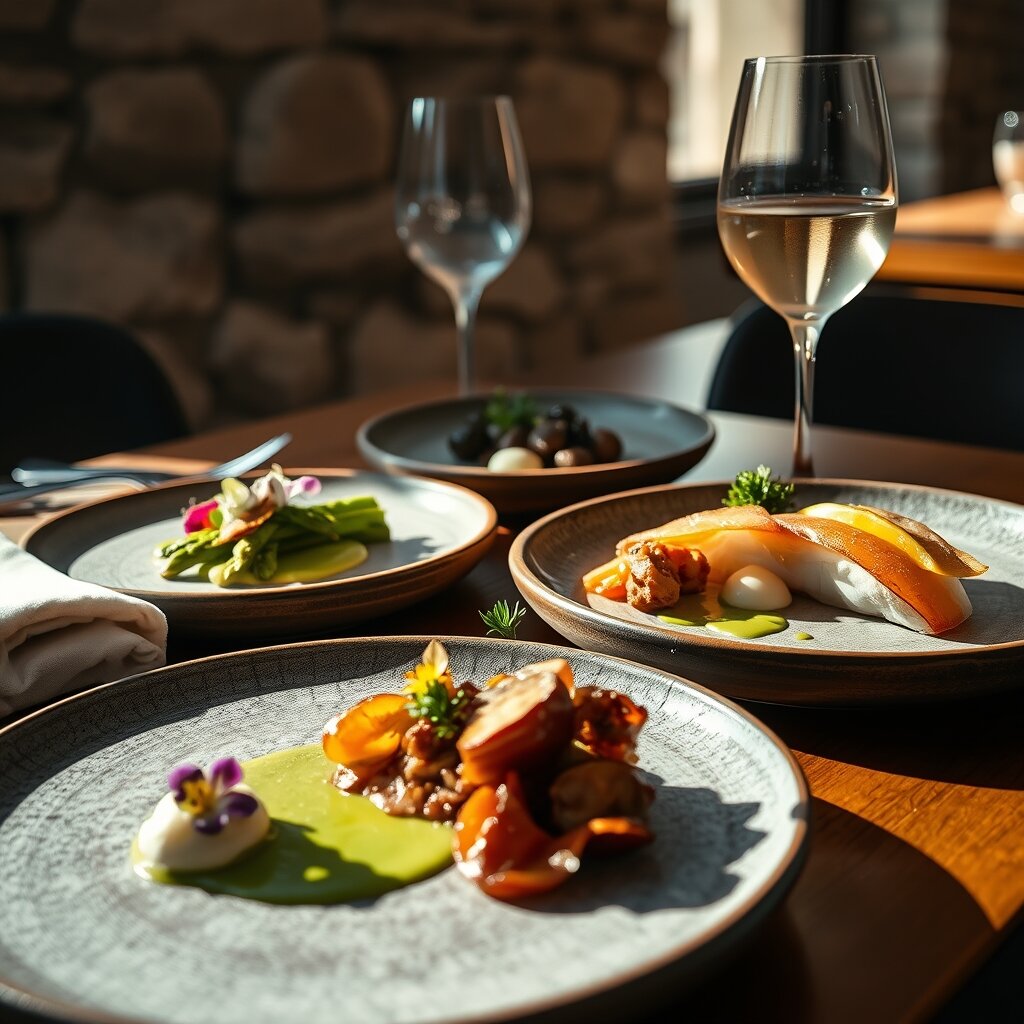
Seasonality is not just a trend; it is the compass that guides many high-end kitchens. Choosing a good restaurant does not depend only on price: in establishments with 3 Michelin stars in Spain, the natural calendar shapes both the selection of ingredients and the narrative of the menu. When the menus change with the seasons, the textures, the aromas and the very idea of the dish change too.
Why the season matters in haute cuisine
A seasonal menu seeks coherence: products at their peak, techniques that enhance them, and a rhythm that sets the pace of the meal. In spring, shoots, fragrant greens and a sense of lightness in the sauces appear; in autumn, roots, mushrooms and concentrated broths take centre stage and fill the mouth. The result is a distinct sensory experience, not merely an aesthetic change on the plate.
How the seasons translate into the dining room
Type of cuisine and proposal
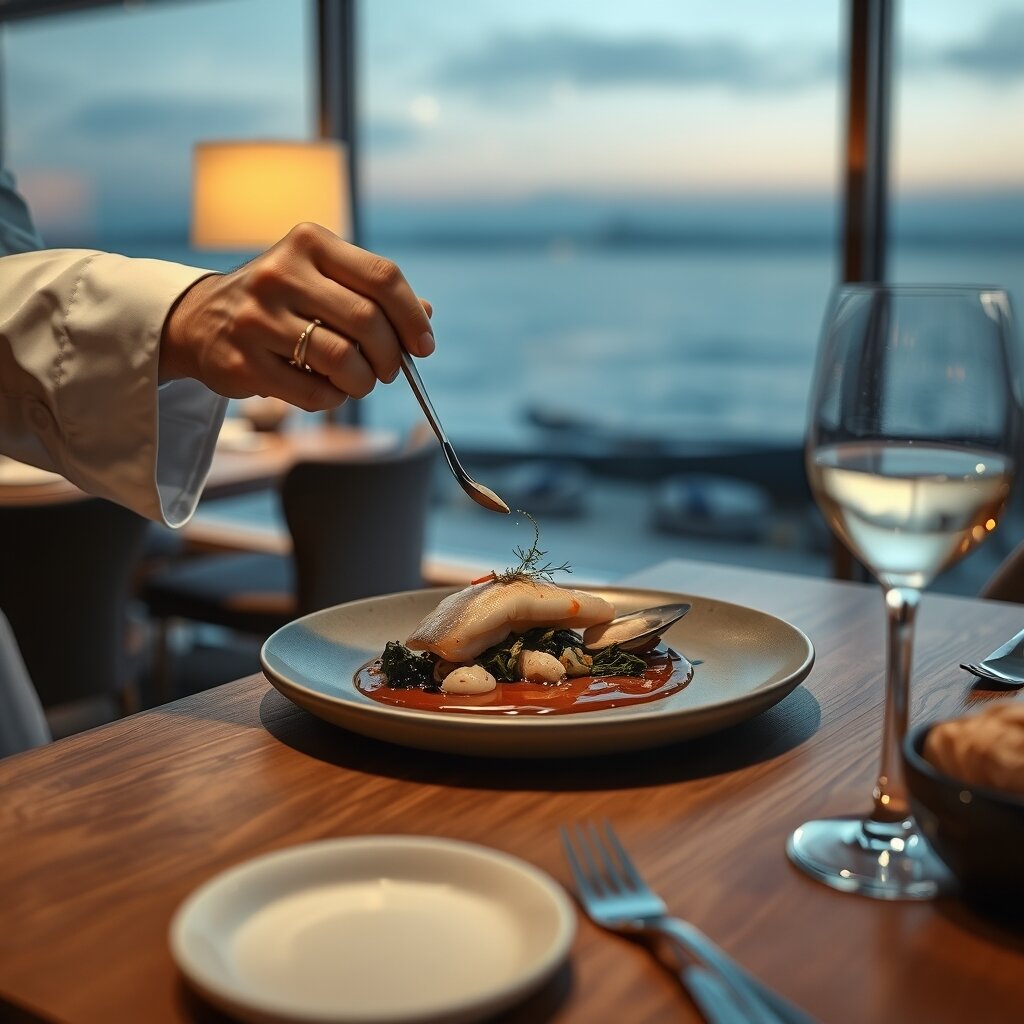
In the highest-ranked establishments the cooking is usually author-driven: starting from the region, classical and modern techniques are explored to highlight local produce. These are not fixed recipes but tasting menus that change with the harvest. The menu tells a story: sometimes nostalgic and vegetal, other times maritime and saline.
Atmosphere and typical guest
The typical diner looks for more than a meal: they expect coherence and meaning. The atmosphere tends to be understated, with attentive service and an almost choreographed care. There are tables for celebrations and also for those who appreciate technique; formality does not exclude warmth when the service knows how to modulate its tone.
Indicative price range
A tasting menu at a three-star restaurant in Spain usually falls around €250–€450 per person, excluding pairings and extras. Prices vary with the season and the rarity of the ingredient; an exceptional product or an extensive pairing can raise the bill quickly.
What to order and what defines the proposal
The most practical rule: order the seasonal tasting menu. It is the way to understand the chef’s intention and it respects the sequence of dishes designed for the day. If there is an à la carte option, it is advisable to choose dishes that highlight local ingredients or preparations you would not find in more casual places.
Real strengths
The virtues are clear: raw materials at their best, techniques that enhance without masking, and a coherent culinary discourse. The investment in suppliers is also evident: fishermen, farmers and small producers who deliver limited and flavourful batches. The transitions between courses seek contrast: acidic against fatty, crisp against creamy.
Areas for improvement or things to consider
The intensity of the menu can be overwhelming for those not used to long sequences. Prices and availability limit access; booking well in advance is essential. In some cases the proposal may tend towards technical repetition (foams, gels) if aesthetics are prioritised over taste surprise.
Tips for enjoying it more
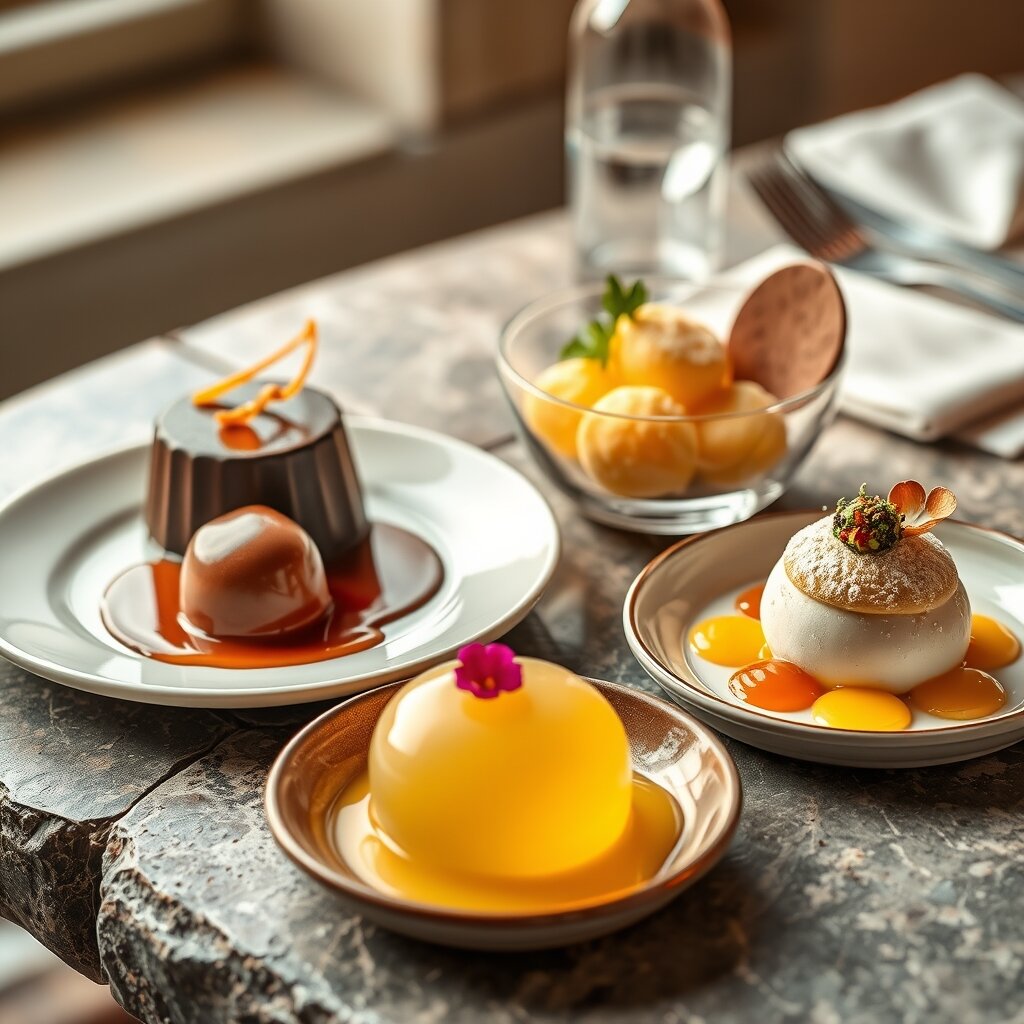
Book with some margin and mention allergies or preferences when reserving. Asking for brief explanations about key dishes during service enriches the experience: it is not pretentiousness, it is context. And leave room for dessert: the finales often play with textures and temperatures that round off the sequence.
Questions you might search for
How does a tasting menu adapt to local produce?
Chefs design dishes around ingredients that arrive in optimal condition: seasonal vegetables, fish from the fish market and game at its peak. The adaptation may involve changes in technique —longer cooking for roots or greater use of acids for vegetables— to enhance natural flavours.
Is it better to order à la carte or the menu?
In most cases the tasting menu is preferable: it is designed to show the chef’s vision and how textures and temperatures fit together. The à la carte is useful if you want full control over portions or have specific dietary restrictions.
How does seasonality influence pairing?
Sommeliers choose wines that accompany the seasonal nuances: fresh and aromatic wines in spring; more structured wines with soft tannins in autumn and winter. The goal is to amplify the experience, not to compete with the dish.
Common mistakes
- Not mentioning intolerances or preferences when booking; this can limit last-minute options.
- Comparing isolated dishes outside the context of the menu: many preparations are designed to be tasted in sequence.
- Expecting every dish to be immediately recognisable: haute cuisine sometimes works on taste memory through subtle contrasts.
- Requesting drastic changes out of “fear” of trying something new; asking for a brief explanation is usually more useful.
Seasonality at restaurants with 3 Michelin stars in Spain is, above all, a promise of attention to time and place. The diner has an active role as reader: understanding the chef’s intention and letting themselves be carried along by textures, aromas and contrasts. Ultimately, eating according to the season is not a limitation: it is a deeper form of meaning and enjoyment.