Northern flavors: charming typical restaurants in the Basque Country
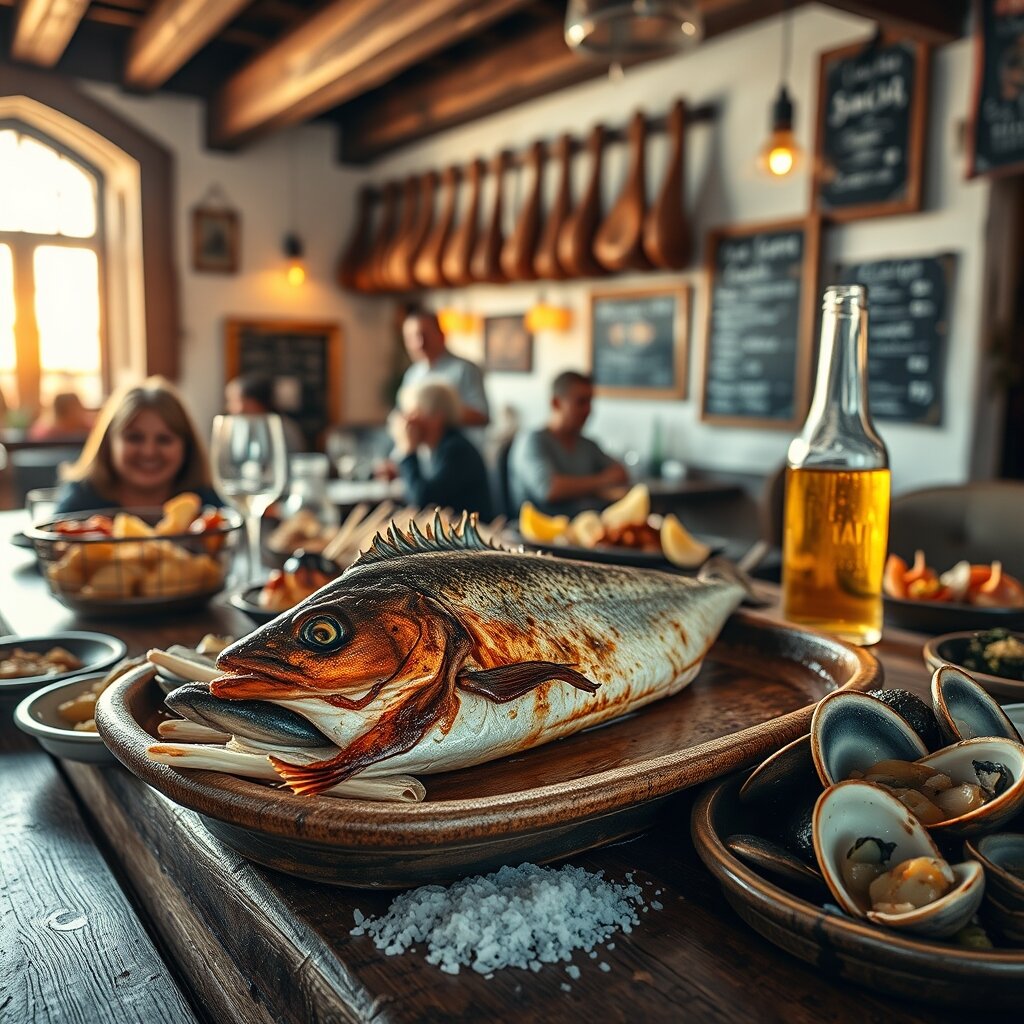
The Basque Country tastes of sea, charcoal and a lively bar. Choosing the right restaurant doesn’t depend only on price: the product, the timing and the place all matter. Here you’ll find suggestions for those looking for everything from **memorable pintxos** to freshly landed shellfish, always in places with character: wooden taverns, grill houses with the smoke of embers and cider houses where the ritual is as important as the bite. A good dish begins long before the fire is lit: it means buying seasonal produce, understanding the technique and, above all, respecting flavors. This guide suggests where to eat in the North if you want authenticity, texture and that touch of sea salt that calls for a return visit.
Where to eat: a selection of restaurants with character
Bar Néstor — San Sebastián (Donostia)
Type of cuisine: traditional bar focused on **pintxos** and simple portions. Atmosphere and profile: small, noisy and always full venue; customers who want immediacy and quality product. Price range: € – €€ per person if you stick to pintxos; it rises with portions and txuleta.
What to order: seasoned tomato, roasted peppers and its **chuleta** when available. Strong points: the freshness of the tomato and the texture of the roasted peppers, with that oil sheen that signals good produce. Worth knowing: queues and waiting times; the space is small, so it’s not ideal for long meals with large groups.
La Viña — San Sebastián (Donostia)
Type of cuisine: traditional bar and pastry, known for its **cheesecake** and classic pintxos. Atmosphere: informal, tourists and locals mix; warm lighting and the bar on display. Price range: € – €€.
What to order: anchovy pintxos, juicy-textured tortillas and the famous cheesecake, creamy and slightly golden on the outside. Strong points: balance between sweet and savoury; desserts that round off the experience. Worth knowing: at peak times service can be brusque because of the fast pace.
Ganbara — San Sebastián (Donostia)
Type of cuisine: pintxos and market cooking focused on seasonal mushrooms and shellfish. Atmosphere: classic Donostia, lively bar and discreet dining room. Price range: €€ per person depending on dishes.
What to order: mushroom scramble when in season, txangurro and fresh prawns. Strong points: textures and aromas of the product well respected, sautés that keep their juiciness. Worth knowing: seasonal dishes; if you go out of season their best offerings may be missing.
Elkano — Getaria
Type of cuisine: sea and grill, specialising in grilled fish. Atmosphere: elegant but relaxed, with harbour views in some venues. Price range: €€€ — aimed at those seeking select shellfish and fish.
What to order: turbot, sea bream or sea bass from the grill; local shellfish depending on the catch. Strong points: crispy skin, juicy flesh and the presence of ember smoke, which adds an earthy nuance. Worth knowing: reservations are essential; seasonal product and limited depending on the catch.
Asador Etxebarri — Atxondo
Type of cuisine: grill house focused on the technique of embers and charcoal. Atmosphere: carefully rustic, close service and an experience centred on the product. Price range: €€€ — a menu focused on tasting from the grill.
What to order: fish or meat pieces simply treated with salt and fire; grilled vegetables that surprise with their sweetness. Strong points: the depth of the smoking, caramelised textures and concentrated juices. Worth knowing: not a place for rushing; the experience is enjoyed slowly.
Casa Julián — Tolosa
Type of cuisine: traditional grill house, famous for its txuleta and grilled cuts. Atmosphere: tavern-grill, sturdy tables and a village feel. Price range: €€ — ideal for meat lovers who value ageing and fire.
What to order: ember-grilled txuleta, accompanied by chips and a simple salad. Strong points: juicy cut, well-marked outer crust and a buttery texture inside. Worth knowing: the smoke can cling to clothes; not the option for those seeking light cooking.
Sidrería Petritegi — Astigarraga
Type of cuisine: traditional cider house (txotx) with rustic dishes. Atmosphere: bustling, with the ritual of tapping barrels and serving cider. Price range: € – €€ depending on generous shared portions.
What to order: pil-pil cod, T-bone steak and cod omelette; cider straight from the cask. Strong points: the collective experience, intense flavours and the fresh acidity of the cider that cuts through the fat. Worth knowing: txotx hours and seasons; the service is ritual and the pace can surprise first-time visitors.
How to choose according to what you’re looking for
If you’re looking for lively **pintxos**, focus on bars with movement and market produce: crispy texture, acidic or unctuous contrast in each bite. For fresh shellfish, prioritise proximity to the port and ask about the catch of the day: the smell of iodine and firm flesh are good signs. If the goal is meat, look for grill houses where ageing and the embers dominate the conversation; the caramelised crust and juicy interior speak for themselves.
Frequently asked questions
How can you tell whether a restaurant is worth it?
Look at the menu: simplicity with good raw ingredients is usually a sign of confidence. Notice the rhythm of the venue: dishes coming out regularly and regular customers indicate fresh produce. Asking the staff about origin and season gives clues about transparency.
What is the difference between pintxos and tapas?
Pintxos are usually small pieces served on bread or with a base, often creative and designed for the bar. Tapas are more varied and can be dishes to share at the table. The key is the gesture: pintxos invite you to try many flavours in a short time.
How do you choose fresh shellfish in a restaurant?
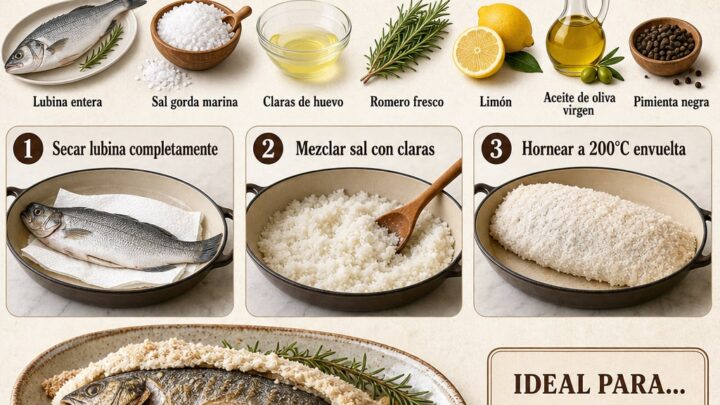
Ask about the origin and the day of the catch: firm texture and a sea aroma are good signs. Avoid fish with an ammonia smell or soft flesh. Simple preparation — steamed, griddled or salt-baked — best respects the freshness.
When is the best time to visit a cider house to experience the txotx?
Txotx is experienced during cider season, generally in winter and early spring; outside those dates the experience may be different. Arriving early and taking part in the ritual of opening the barrels improves the experience. Be prepared to share a table and hearty dishes.
Common mistakes
- Going without a reservation to grill houses or small venues at weekends: many tables are reserved in advance.
- Choosing by photo or name without asking about the season: some dishes only shine at their natural time.
- Ordering everything you see on social media: the preparations copy recipes, but the secret lies in the local product and how it is treated.
- Believing that expensive always means better: in the Basque Country there are humble taverns with exceptional produce.
- Ignoring simple accompaniments (bread, salt, fat): they make the difference between a good bite and a memorable one.
Travelling to eat in the Basque Country means accepting an itinerary that goes from the port to the grill and from the bar to the cask. Look for **textures** — crispy skin, juicy interior, firm shellfish — and pay attention to the aromas the venue offers: smoke, salt, fresh herbs. Eating here is not just nourishment; it is understanding how the setting and the season dictate the menu. Try, compare and let your palate guide your next reservation.