The EVOOLEUM 2027 Guide is out: Spain puts 68 oils among the world's top 100
An Italian takes the crown, but the extra virgin olive oil map still has a Spanish accent. The eleventh edition of the Mercacei guide, with a foreword by Martín Berasategui, comes loaded with cuisine, health and a few nods to Mexico.
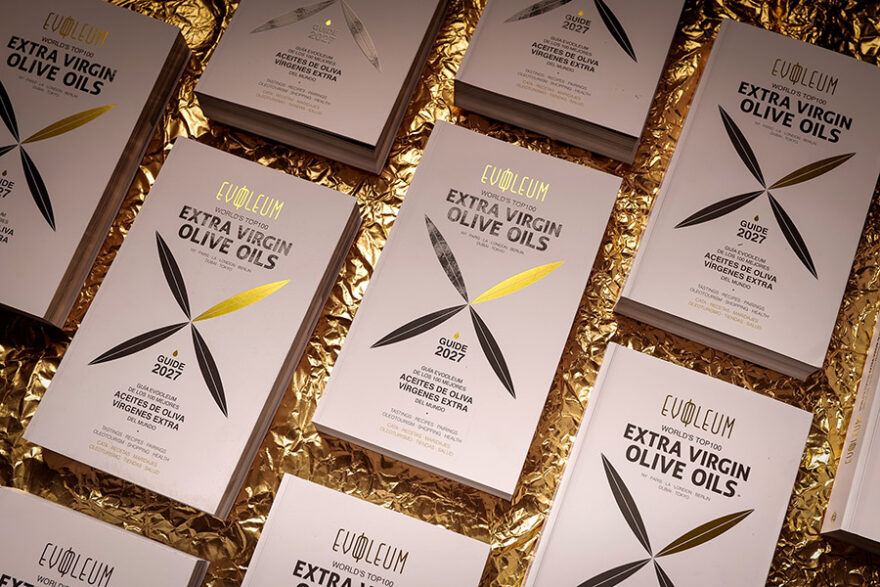
Some publications are leafed through; others are consulted. The EVOOLEUM Guide is one of the latter. This November its eleventh edition, the 2027, hit the market, and once again it makes clear who calls the shots when it comes to extra virgin olive oil. Even if the number one isn’t ours.
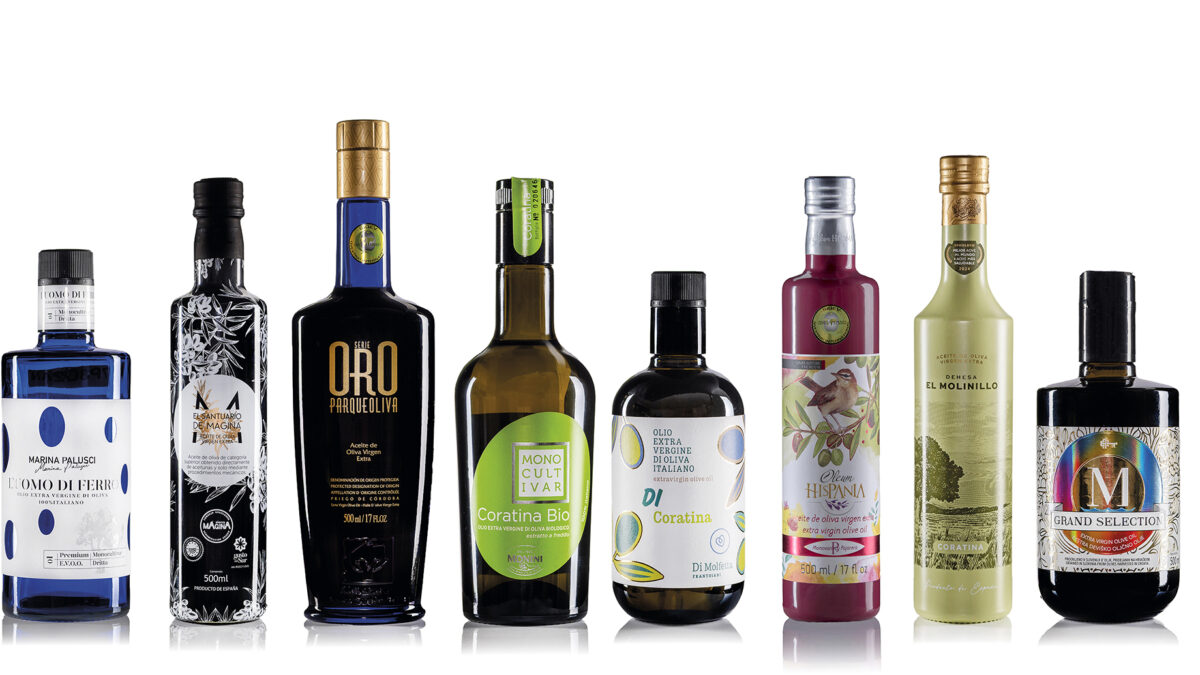
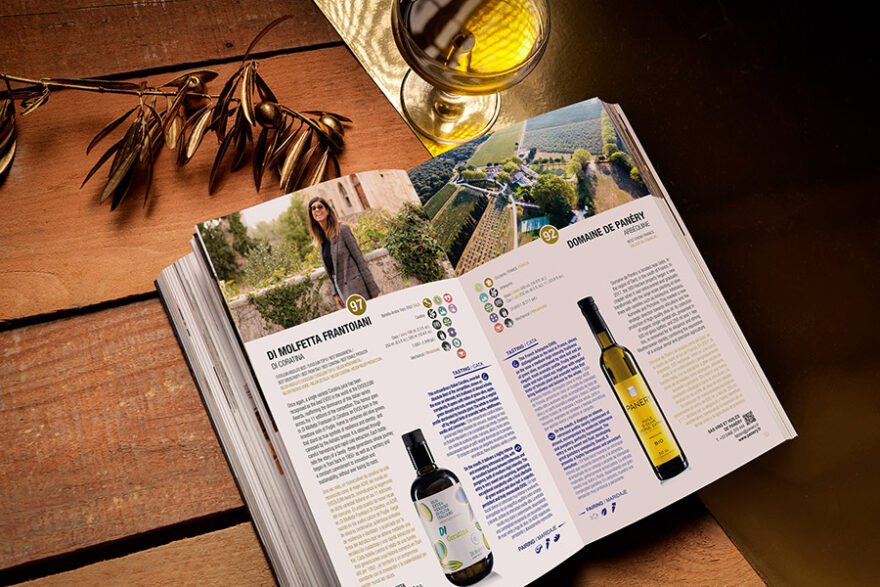
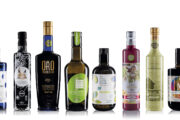
The jury of the EVOOLEUM Awards has named the Italian Di Molfetta Frantoiani di Coratina the World’s Best EVOO for the 2025/26 campaign, with 97 points. Very close behind, with 96, come the also Italian Monini Monocultivar Coratina Bio and the Spanish Oleum Hispania Nature Premium Pajarera. It is an extremely tight podium, the kind decided by nuances at the tasting table.
A Top 10 with a Spanish majority
It stings a little that first place goes to Italy, there’s no denying it. But one only has to look at the Top 10 to get over it. Five of the ten best oils on the planet are Spanish:
- Di Molfetta Frantoiani di Coratina (97 points). Coratina. Italy.
- Monini Monocultivar Coratina Bio (96 points). Coratina. Italy.
- Oleum Hispania Nature Premium Pajarera (96 points). Pajarera. Spain.
- Parqueoliva Serie Oro (96 points). Blend of picuda and hojiblanca. Spain.
- Dehesa El Molinillo Coratina (95 points). Coratina. Spain.
- El Santuario de Mágina Selección Temprana (95 points). Picual. Spain.
- Monte Rosso Grand Selection (95 points). Blend of bianchera istriana and leccino. Croatia.
- L’Uomo di Ferro (94 points). Dritta. Italy.
- Rincón de la Subbética (94 points). Hojiblanca. Spain.
- De Rustica Estate Collection Coratina (94 points). Coratina. South Africa.
One detail that stands out is the coratina. This variety, typical of Apulia, appears four times in the Top 10, and one of them is grown on Spanish soil, at Dehesa El Molinillo. Alongside it sneak in our time-honored varieties, such as the Mágina picual, the Subbética hojiblanca and the pajarera, which each season earns more respect among tasters. The ranking is completed by Croatia and South Africa, a good sign that quality extra virgin olive oil is no longer exclusive to the Mediterranean.
68 out of 100: Spain’s numbers
When one goes down to the full Top 100, the gap becomes clear. There are oils from eleven countries (Spain, Italy, Portugal, Brazil, Croatia, Jordan, Turkey, Greece, Morocco, France and South Africa), but Spain places 68 EVOOs. Italy, in second place, stays at 15.
Within those 68, Andalusia contributes 45 and Castilla-La Mancha, ten. This is no surprise, but it is worth recalling from time to time: Spain is the world’s largest olive oil producer and, judging by this guide, also one of those that does it best.
Two other figures are worth noting. The list includes 35 organic oils and 36 with a Protected Designation of Origin. In other words, a significant part of the best that is produced carries a certificate of origin or organic management, or both.
Much more than a ranking
Anyone who thinks the guide is limited to a list of one hundred names is mistaken. Each entry in the Top 100 records the oil’s origin, the varieties, the type of olive grove, the score, the tasting note and pairing suggestions. For a restaurant or an importer it is a working tool. For the enthusiast, it is a treasure map.
The best packaging designs are also awarded, as are the 20 best small producers in the world (those who make fewer than 2,500 liters per campaign) and the winners of the Best of Class categories. As a novelty, this edition debuts a Southern Hemisphere Top 20. It makes sense: there the harvest falls out of season, and countries such as South Africa and Brazil are starting to make their mark.
Berasategui opens, Olvera cooks
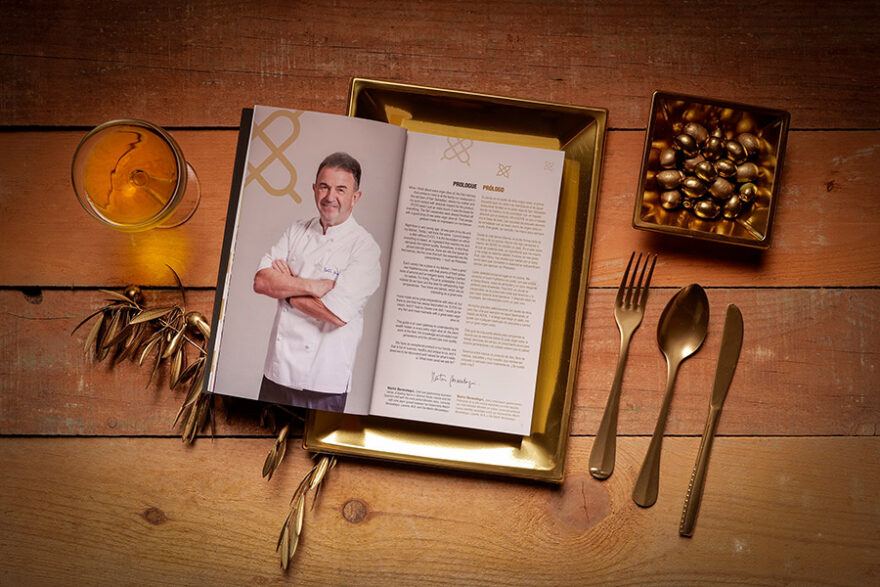
The gastronomic section remains one of the guide’s hallmarks. The foreword is signed by Martín Berasategui, the Spanish chef with the most Michelin stars, which already sets the tone for the rest.
This year’s recipe section, Mediterranean Menu, is the work of Mexican chef Enrique Olvera, who proposes a collection of Tacos with an extra virgin accent. It may seem an unusual combination at first glance, but it makes complete sense: Mexican cuisine and EVOO understand each other far better than one might imagine.
The guide also offers a tour of restaurants where one literally eats among olive trees, reviews new ways of consuming oil, and suggests pasta pairings that build a considerable appetite.
EVOO and health
Another strong section is devoted to health. The starting question is direct: can extra virgin olive oil help protect the heart and the brain? The publication analyzes its role in cardiovascular, metabolic and brain health, three of the great fronts of today’s well-being.
The cultural section closes with texts such as The Kiss of Aphrodite, by writer Emilio Lara. The result is an edition that blends cuisine, science, culture and lifestyle without losing its focus on olive oil.
Where to get it
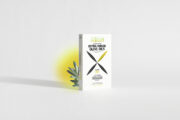
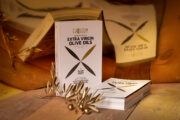
The EVOOLEUM Guide 2027 is annual and bilingual (Spanish and English), and can be purchased at evooleum.com for 19.50 euros. It is also distributed in more than 2,000 Michelin-starred restaurants, in all those on The World’s 50 Best Restaurants list, and among importers, gastronomic consultants, cooking schools, olive tourism resorts and gourmet shops.
Behind it stands the Mercacei Publishing Group, which since 1994 has been dedicated to professional information on olive oil, olive groves and table olives, and which has accumulated more than twenty awards, including the Spanish Food Communication Prize from the Ministry of Agriculture.
In short, if you enjoy good oil, or live from it, this guide deserves a place on your shelf. The 2027 edition confirms what was already suspected: liquid gold has many accents, but the one that is heard most loudly is still Spanish.



0 comentarios · Comentar